🖤Day 13🖤 Favorite quotes

Today is favorite quotes. I think it said quote, but I don’t have just one so it will be quotes🖤

🖤 “After silence, that which comes nearest to expressing the inexpressible is music.” Aldous Huxley. -We all need silence to calm down or to focus, but when the silence is overwhelming music will soothe your soul. Over the years especially with my illness music ends up being my only refuge.

🖤 “But I don’t want comfort. I want God, I want poetry, I want real danger, I want freedom, I want goodness. I want sin.” – Aldous Huxley. This is actually on my blog page. I want a challenge in my life I don’t want to live comfortably. I want to step outside my boundaries and do something that will either cause me to fly or fall and I’m writing it right now. I am too creative and smart to lead a normal life. I was meant to do something extraordinary.

🖤“Coincidence is God’s way of remaining anonymous” – Albert Einstein

🖤 “Those who dream by night in the dusty recesses of their minds wake in the day to find that it was vanity: but the dreamers of the day are dangerous men, for they may act their dreams with open eyes, to make it possible.”~ T.E. Lawrence

🖤“Nobody can go back and start a new beginning, but anyone can start today and make a new ending.”-Maria Robinson

🖤 “Faith is taking the first step even when you don’t see the whole staircase.” ~Martin Luther King Jr.

🖤 “It’s the village girl who will change the world”. – Kelly Cutrone Don’t worry I’m finally on my way. I am coming out the gate running strong.

🖤“Reality is wrong. Dreams are for real.” – Tupac Shakur

🖤 “Everybody’s at war with different things…I’m at war with my own heart sometimes.” ― Tupac Shakur I feel this everyday. I am feel like I am always struggling with my heart and conscience everyday.

🖤 “You gotta be able to smile through the bullshit.” – Tupac Shakur

🖤 “Trust your own judgement, live with it and love it.” – Nas

Day 7 Schizophrenia

Each day I will detail an illness. Some of them you’ve heard of some you haven’t but the most important thing is we recognize some of them. One illness is greater than the other just some for more information.

Schizophrenia Overview

Schizophrenia symptoms include distorted thoughts, hallucinations, and feelings of fright and paranoia. Psychiatrists evaluate symptoms, tests, and medical history, and prescribe medications and psychotherapy for treatment.

TOP SEARCH TERMS FOR SCHIZOPHRENIA

Paranoid Schizophrenia

Schizoaffective Disorder

Tardive Dyskinesia

Schizophrenia Symptoms

Delusional Disorder

Psychosis

Schizophrenia Test

Schizophrenia Causes

Schizophrenia Medication

Psychotic Disorders

Brief Psychotic Disorder

Schizophreniform Disorder

Schizophrenia is a serious brain disorder that distorts the way a person thinks, acts, expresses emotions, perceives reality, and relates to others. People with schizophrenia — the most chronic and disabling of the major mental illnesses — often have problems functioning in society, at work, at school, and in relationships. Schizophrenia can leave its sufferer frightened and withdrawn. It is a life-long disease that cannot be cured but can be controlled with proper treatment.

Contrary to popular belief, schizophrenia is not a split or multiple personality. Schizophrenia is a psychosis, a type of mental illness in which a person cannot tell what is real from what is imagined. At times, people with psychotic disorders lose touch with reality. The world may seem like a jumble of confusing thoughts, images, and sounds. The behavior of people with schizophrenia may be very strange and even shocking. A sudden change in personality and behavior, which occurs when schizophrenia sufferers lose touch with reality, is called a psychotic episode.

Schizophrenia varies in severity from person to person. Some people have only one psychotic episode while others have many episodes during a lifetime but lead relatively normal lives between episodes. Still other individuals with this disorder may experience a decline in their functioning over time with little improvement between full blown psychotic episodes. Schizophrenia symptoms seem to worsen and improve in cycles known as relapses and remissions.

What Are the Symptoms of Schizophrenia?

People with schizophrenia may have a number of symptoms involving changes in functioning, thinking, perception, behavior, and personality, and they may display different kinds of behavior at different times.

It is a long term mental illness which usually shows its first signs in men in their late teens or early 20s, while in women, it tends to be in their early 20s and 30s. The period when symptoms first start to arise and before the onset of full psychosis is called the prodromal period. It can last days, weeks or even years. Sometime it can be difficult to recognize because there is usually no specific trigger. A prodrome is accompanied by what can be perceived as subtle behavioral changes, especially in teens. This includes a change in grades, social withdrawal, trouble concentrating, temper flares, or difficulty sleeping. The most common symptoms of schizophrenia can be grouped into several categories including positive symptoms, cognitive symptoms, and negative symptoms.

Positive Symptoms of Schizophrenia

In this case, the word positive does not mean “good.” Rather, it refers to symptoms added in to one’s experience that are exaggerated and irrational forms of thinking or behavior. These symptoms are not based in reality and are sometimes referred to as psychotic symptoms, such as:

• Delusions: Delusions are strange beliefs that are not based in reality and that the person refuses to give up, even when presented with factual information. For example, the person suffering from delusions may believe that people can hear his or her thoughts, that he or she is God or the devil, or that people are putting thoughts into his or her head or plotting against them.

• Hallucinations: These involve perceiving sensations that aren’t real. Hearing voices is the most common hallucination in people with schizophrenia. The voices may comment on the person’s behavior, insult the person, or give commands. Other types of hallucinations are rare such as seeing things that aren’t there, smelling strange odors, having a “funny” taste in your mouth, and feeling sensations on your skin even though nothing is touching your body.

• Catatonia (a condition in which the person becomes physically fixed in a single position for a very long time).

Disorganized symptoms of schizophrenia are a type of positive symptom that reflects that person’s inability to think clearly and respond appropriately. Examples of disorganized symptoms include:

• Talking in sentences that do not make sense or using nonsense words, making it difficult for the person to communicate or engage in conversation

• Shifting quickly from one thought to the next without obvious or logical connections between them

• Moving slowly

• Being unable to make decisions

• Writing excessively but without meaning

• Forgetting or losing things

• Repeating movements or gestures, such as pacing or walking in circles

• Having problems making sense of everyday sights, sounds, and feelings

Cognitive Symptoms of Schizophrenia

Cognitive symptoms include:

• Poor executive functioning (the ability to understand information and to use it to make decisions)

• Trouble focusing or paying attention

• Difficulty with working memory (the ability to use information immediately after learning it)

• Lack of awareness of the cognitive symptoms

Negative Symptoms of Schizophrenia

In this case, the word negative does not mean “bad” but reflects the absence of certain normal behaviors in people with schizophrenia. Negative symptoms of schizophrenia include:

• Lack of emotion or a very limited range of emotions

• Withdrawal from family, friends, and social activities

• Reduced energy

• Reduced speech

• Lack of motivation

• Loss of pleasure or interest in life

• Poor hygiene and grooming habits

What Causes Schizophrenia?

The exact cause of schizophrenia is not yet known. It is known, however, that schizophrenia — like cancer and diabetes — is a real illness with a biological basis. It is not the result of bad parenting or personal weakness. Researchers have uncovered a number of factors that appear to play a role in the development of schizophrenia, including:

• Genetics (heredity): Schizophrenia can run in families, which means a greater likelihood to develop schizophrenia may be passed on from parents to their children.

• Brain chemistry and circuits: People with schizophrenia may have abnormal regulation of certain chemicals (neurotransmitters) in the brain, related to specific pathways or “circuits” of nerve cells that affect thinking and behavior. Different brain circuits form networks for communication throughout the brain. Scientists think that problems with how these circuits operate may result from trouble with certain receptors on nerve cells for key neurotransmitters (like glutamate, GABA, or dopamine), or with other cells in the nervous system (called “glia”) that provide support to nerve cells within brain circuits. The illness is not believed to be simply a deficiency or “imbalance” of brain chemicals, as was once thought.

• Brain abnormality: Research has found abnormal brain structure and function in people with schizophrenia. However, this type of abnormality doesn’t happen in all schizophrenics and can occur in people without the disease.

• Environmental factors: Evidence suggests that certain environmental factors, such as a viral infection, extensive exposure to toxins like marijuana, or highly stressful situations, may trigger schizophrenia in people who have inherited a tendency to develop the disorder. Schizophrenia more often surfaces when the body is undergoing hormonal and physical changes, such as those that occur during the teen and young adult years.

Who Gets Schizophrenia?

Anyone can get schizophrenia. It is diagnosed all over the world and in all races and cultures. While it can occur at any age, schizophrenia typically first appears in the teenage years or early 20s. The disorder affects men and women equally, although symptoms generally appear earlier in men (in their teens or 20s) than in women (in their 20s or early 30s). Earlier onset of symptoms has been linked to a more severe course of illness. Children over the age of 5 can develop schizophrenia, but it is very rare before adolescence.

How Common Is Schizophrenia?

Schizophrenia occurs in about 1% of the population. About 2.2 million Americans, ages 18 and older, will develop schizophrenia.

How Is Schizophrenia Diagnosed?

If symptoms of schizophrenia are present, the doctor will perform a complete medical history and sometimes a physical exam. While there are no laboratory tests to specifically diagnose schizophrenia, the doctor may use various tests, and possibly blood tests or brain imaging studies, to rule out another physical illness or intoxication (substance-induced psychosis) as the cause of the symptoms.

If the doctor finds no other physical reason for the schizophrenia symptoms, he or she may refer the person to a psychiatrist or psychologist, mental health professionals who are specially trained to diagnose and treat mental illnesses. Psychiatrists and psychologists use specially designed interviews and assessment tools to evaluate a person for a psychotic disorder. The therapist bases his or her diagnosis on the person’s and family’s report of symptoms and his or her observation of the person’s attitude and behavior. A person is considered to have schizophrenia if he or she has characteristic symptoms that last for at least six months.

How Is Schizophrenia Treated?

The goal of schizophrenia treatment is to reduce the symptoms and to decrease the chances of a relapse, or return of symptoms. Treatment for schizophrenia may include:

• Medications: The primary medications used to treat schizophrenia are called antipsychotics. These drugs do not cure schizophrenia but help relieve the most troubling symptoms, including delusions, hallucinations, and thinking problems. Older (commonly referred to as “first generation”) antipsychotic medications used include:

◦ chlorpromazine (Thorazine)

◦ fluphenazine (Prolixin)

◦ haloperidol (Haldol)

◦ loxapine (Loxapine)

◦ perphenazine (Trilafon)

◦ thioridazine (Mellaril)

◦ thiothixene (Navane)

◦ trifluoperazine (Stelazine).

Newer (“atypical” or second generation) drugs used to treat schizophrenia include:

• aripiprazole (Abilify)

• aripiprazole lauroxil (Aristada)

• asenapine (Saphris)

• clozapine (Clozaril)

• iloperidone (Fanapt)

• lurasidone (Latuda)

• olanzapine (Zyprexa)

• paliperidone (Invega, Sustenna)

• paliperidone palmitate (Invega, Trinza)

• quetiapine (Seroquel),

• risperidone (Risperdal)

• ziprasidone (Geodon)

Note: Clozapine is the only FDA-approved medication for treating schizophrenia that is resistant to other treatments. It’s also indicated for decreasing suicidal behaviors in those with schizophrenia who are at risk.

Other, even newer atypical antipsychotics include:

• brexpiprazole (Rexulti)

• ariprazine (Vraylar)

• Coordinated Specialty Care (CSC):  This is a team approach towards treating schizophrenia when the first symptoms appear. It combines medicine and therapy along with social services and employment and educational interventions. The family is involved as much as possible. Early treatment of schizophrenia can be key in helping patients lead a normal life.

• Psychosocial therapy: While medication may help relieve symptoms of schizophrenia, various psychosocial treatments can help with the behavioral, psychological, social, and occupational problems associated with the illness. Through therapy, patients also can learn to manage their symptoms, identify early warning signs of relapse, and develop a relapse prevention plan. Psychosocial therapies include:

◦ Rehabilitation, which focuses on social skills and job training to help people with schizophrenia function in the community and live as independently as possible

◦ Cognitive remediation involves learning techniques to compensate for problems with information processing, often through drills, coaching and computer-based exercises, to strengthen specific mental skills involving attention, memory and planning/organization.

◦ Individual psychotherapy, which can help the person better understand his or her illness, and learn coping and problem-solving skills

◦ Family therapy, which can help families deal more effectively with a loved one who has schizophrenia, enabling them to better help their loved one

◦ Group therapy/support groups, which can provide continuing mutual support

• Hospitalization: Many people with schizophrenia may be treated as outpatients. However, people with particularly severe symptoms, or those in danger of hurting themselves or others or who cannot take care of themselves at home may require hospitalization to stabilize their condition.

• Electroconvulsive therapy (ECT): This is a procedure in which electrodes are attached to the person’s scalp and, while asleep under general anesthesia, a small electric shock is delivered to the brain. A course of ECT treatment usually involves 2-3 treatments per week for several weeks. Each shock treatment causes a controlled seizure, and a series of treatments over time leads to improvement in mood and thinking. Scientists do not fully understand exactly how ECT and the controlled seizures it causes have a therapeutic effect, although some researcher think that ECT-induced seizures may affect the release of neurotransmitters in the brain. ECT is less well established for treating schizophrenia than depression or bipolar disorder, and it is therefore not used very often when mood symptoms are absent. ECT is sometimes helpful when medications fail or if severe depression or catatonia makes treating the illness difficult.

• Research: deep brain stimulation (DBS) is a  neurosurgical procedure being studied to treat schizophrenia. — Electrodes are surgically implanted to stimulate certain brain areas believed to control thinking and perception. DBS is an established treatment for severe Parkinson’s Disease and essential tremor, and remains experimental for the treatment of psychiatric disorders.

Are People With Schizophrenia Dangerous?

Popular books and movies often depict people with schizophrenia and other mental illnesses as dangerous and violent. This is usually not true. Most people with schizophrenia are not violent. More typically, they prefer to withdraw and be left alone. In some cases, however, people with mental illness may engage in dangerous or violent behaviors that are generally a result of their psychosis and the resulting fear from feelings of being threatened in some way by their surroundings. This may be exacerbated by use of drugs or alcohol.

On the other hand, people with schizophrenia can be a danger to themselves. Suicide is the number one cause of premature death among people with schizophrenia.

What Is the Outlook for People With Schizophrenia?

With proper treatment, most people with schizophrenia can lead productive and fulfilling lives. Depending on the level of severity and the consistency of treatment received they are able to live with their families or in community settings rather than in long-term psychiatric institutions.

Ongoing research on the brain and how brain disorders develop will likely lead to more effective medicines with fewer side effects.

Can Schizophrenia Be Prevented?

There is no known way to prevent schizophrenia. However, early diagnosis and treatment can help avoid or reduce frequent relapses and hospitalizations and help decrease the disruption to the person’s life, family, and relationships.

Sources:

Webmd
Mood swing whirlwind: Fake it until you make it.

Fake it until you make it with your moods right? If you talk to me you could never tell how miserable I actually am and I don’t know if that is a perk or not. I guess it just depends on what day it is. When people tell you. “Oh my gosh you are bipolar I can’t tell.” It is annoying because you can’t look at someone and tell if they are bipolar and we don’t wear a big sign that says, “Hey I’m bipolar judge me.” It’s easier to joke or talk to someone else about their problems then try to get into the complex version that is mine. I had an anxiety attack around 1:00 pm. I had to message someone that I was locked in a handicap bathroom stall but I’m okay so don’t call 911. I hate when they call 911 every time I have a panic/anxiety attack. I’m learning to do it without meds but it is frustrating and it makes me more anxious so basically everything just keeps getting worse. It took me a little more than an hour to calm down enough to leave the bathroom. I’m still coming down from it. When you take a pill it ends fairly quickly but not without meds. I took a Benadryl (it doesn’t help) but I braved a face for the rest of the afternoon and fell apart when I got in my car. When I told someone that was with me what happened they didn’t know what to say, no one ever knows what to say besides you’ve been in a good mood all day. I don’t know how to explain it to people. So I just fake it until I make it or completely fall apart. We’ll see which one comes first.

-Raw emotions with my moods.

!!!!Trigger warning!!!

For the first time since everything happened my moods have changed. They are rapidly declining and all I can think of is how much I want Xanax. It drives me crazy when people tell you that they want to know things are getting bad then think you are whining. Fuck people either you want me to tell you or you don’t but if you say I am whining then I am going to stop telling you. I just think people in general suck 99.256532% of the time.

The problem with my illness is sometimes I don’t know if up is down or down is up and that is where I am at right now. I haven’t really ate much lately it is a hassle. I haven’t brushed my teeth so everything I drink hurts. (I have extremely sensitive teeth.) so I know I am dehydrated. I am tired and not sleeping doesn’t help anything. I keep having horrible dreams that cause anxiety attacks but I can’t have benzos and nothing else works (trust me when I tell you this) not even “breathing” therapy or any other bullshit a therapist works and again I want Xanax. I want that high so bad and I can’t have it and dealing with my shit when it starts to get real is hard and I know I should have a therapist but it isn’t my thing. (a different story) I am not suicidal as of now and I’m hoping I can get it together before we crawl down that rabbit hole again. I am praying that taking my meds like I am supposed to will stop that problem but somehow I doubt it. I don’t like being able to feel these things it is too overwhelming and I just want them to go away. I am off my schedule (my life requires structure and routine to avoid chaos.) which definitely isn’t helping anything. I can put all the pieces together of what is happening around me and I see things…..I just can’t fix it. I don’t know how or if I would make anything better or if it would just get worse. I know once I start going into details with friends and family the worrying starts. I am worried for me too, if I really want Xanax or pain killers I can put my hands on them with no problem but it is not doing it that is so hard. I’ve never actually dealt with everything in 5 years so I probably need a therapist to work through this. I started posting some of my photography on Instagram and it seems to be a hit. I’m trying whatever outlet I have that is healthy right now.

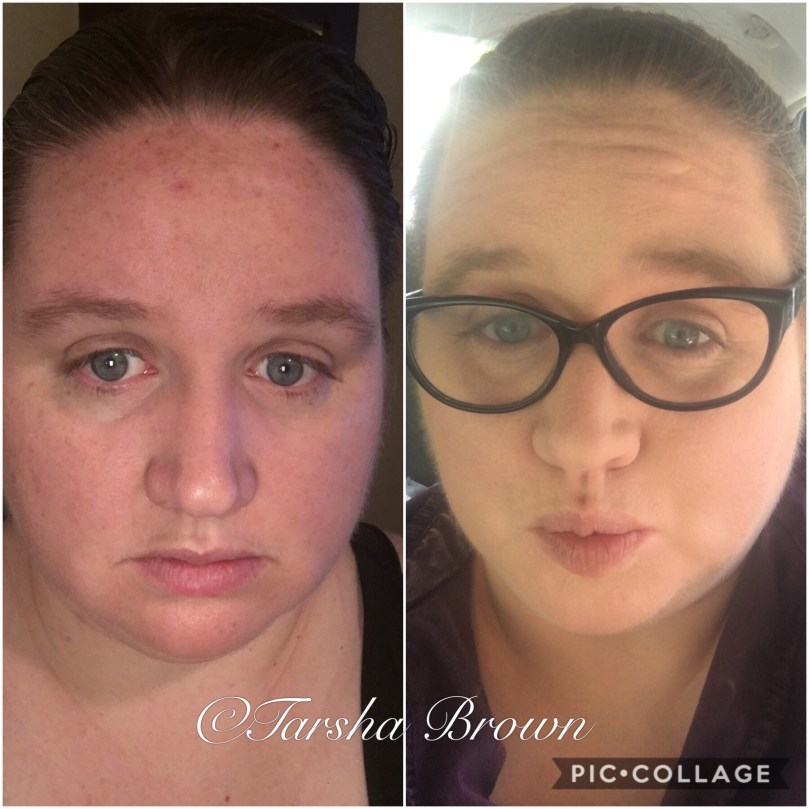
I tried to put on makeup on, it used to help pep me up but it didn’t work. I put on too much setting powder my foundation wouldn’t blend properly neither would my eyeshadow. I felt worse after putting it on. I looked like a puffy orange clown. My emotions are so raw they hurt and I can’t numb it and it is so raw that it is almost unbearable. We forget sometimes that through the memes, quotes that we desensitize our illness. We need to be more open about how much it hurts to be like this. I will update my progress through this as sober as possible.

🖤

🖤Day 4🖤 MENTAL HEALTH WEEK- Rare mental Illness

Each day I will detail an illness. Some of them you’ve heard of some you haven’t but the most important thing is we recognize some of them. One illness is greater than the other just some for more information.

15 Scariest Mental Disorders of All Time

Imagine suffering from a mental illness that causes you to believe your significant other is an imposter set on harming you, or which convinces you that books are for eating, or worse yet, that you have somehow become the walking dead. Scary, right?

While only a small percentage of people are forced to live with the disorders described above, the fact remains that 450 million people worldwide suffer from mental illness. In the United States alone, one in four families is affected. While some mental disorders, such as depression, can occur naturally, others are the result of brain trauma or other injuries. Although it is fair to say that any mental illness can be scary for those suffering, there are a few rare disorders that are especially terrifying. Below, we’ve described what we think you’ll agree are the 15 scariest mental disorders of all time.

Alice in Wonderland Syndrome

Alice in Wonderland may be pure fantasy, but one of Alice’s more bizarre experiences shares its characteristics with a scary mental disorder. Known also as Todd Syndrome, Alice in Wonderland Syndrome causes one’s surroundings to appear distorted. Just as Alice grows too tall for the house, those suffering from Alice in Wonderland Syndrome will hear sounds either quieter or louder than they actually are, see objects larger or smaller than reality, and even lose sense of accurate velocity or textures. This terrifying disorder, which has been described as an LSD trip without the euphoria, even perverts one’s own body image. Fortunately, Alice in Wonderland Syndrome is extremely rare, and in most cases affects those in their 20s who have a brain tumor or history of drug use.

Alien Hand Syndrome

Though it’s often been used in terrifying plot twists, Alien Hand Syndrome is hardly limited to the fictional world. Those with this scary, but fortunately rare, mental disorder experience a complete loss of control of a hand or limb. The uncontrollable limb often seems to take on a mind and will of its own, and sufferers have reported their “alien” limb attempting to choke either themselves or others, ripping clothing, or scratching to the point of blood. Alien Hand Syndrome most often appears in patients with Alzheimer’s Disease or Creutzfeldt-Jakob Disease, or as a result of brain surgery during which the brain’s two hemispheres have been separated. Unfortunately, no cure exists for Alien Hand Syndrome, and those affected by it are often left to keep their hands constantly occupied or use their other hand to control the alien hand.

Apotemnophilia

Known also as Body Integrity Disorder and Amputee Identity Disorder, Apotemnophilia is a neurological disorder characterized by the overwhelming desire to amputate or damage healthy parts of the body. Though not much is known about this strangely terrifying disorder, is is believed to be associated with damage to the right parietal lobe of the brain. Because the vast majority of surgeons will not amputate healthy limbs upon request, some sufferers of Apotemnophilia feel forced to amputate on their own — a dangerous scenario. Of those who have had a limb removed by a doctor, most are reportedly happy with their decision even after the fact.

Boanthropy

Those who suffer from the very rare — but very scary — mental disorder Boanthropy believe they are cows, often going as far as to behave as such. Sometimes those with Boanthropy are even found in fields with cows, walking on all fours and chewing grass as if they were a true member of the herd. Those with Boanthropy do not seem to realize what they’re doing when they act like a cow, leading researchers to believe that this odd mental disorder is brought on by dreams or even hypnotism. Interestingly, it is believed that Boanthropy is even referred to in the Bible, as King Nebuchadnezzar is described as being “driven from men and did eat grass as oxen.”

Capgras Delusion

Capras Delusion, named after Joseph Capgras, a French psychiatrist who was fascinated by the illusion of doubles, is a debilitating mental disorder in which one believes that the people around them have been replaced by imposters. Furthermore, these imposters are usually thought to be planning to harm the sufferer. In one case, a 74-year old woman with Capgras Delusion began to believe that her husband had been replaced with an identical looking imposter who was out to hurt her. Capgras Delusion is relatively rare, and is most often seen after trauma to the brain, or in those who have been diagnosed with dementia, schizophrenia, or epilepsy.

Clinical Lycanthropy

Like those with Boanthropy (described above), those who suffer from Clinical Lycanthropy also believe themselves to be able to turn into animals — in this case, wolves and werewolves, though occasionally other types of animals are included. Along with the belief that they can become wolves, people with Clinical Lycanthropy also begin to act like an animal, and are often found living or hiding in forests and other wooded areas.

Cotard Delusion

There’s a healthy interest in The Walking Dead and other elements of the current zombie trend, and then there’s Cotard Delusion. This scary mental disorder causes the sufferer to believe that they are the walking dead (literally) or a ghost, and that their body is decaying and/or they’ve lost all blood and internal organs. The feeling of having a rotting body is usually part of the delusion, and it shouldn’t come as a surprise that many sufferers of Cotard Delusion experience severe depression. In some cases, the delusion causes sufferers to starve themselves to death. This terrifying disorder was first described in 1880 by neurologist Jules Cotard, though fortunately, Cotard’s Delusion has proven extremely rare. The most well-known case of Cotard Delusion actually occurred in Haiti, where a man was absolutely convinced he had died of AIDS and was in Hell.

Diogenes Syndrome

Diogenes Syndrome is more commonly referred to as simply “hoarding,” and is one of the most misunderstood mental disorders. Named after the Greek philosopher Diogenes of Sinope (who was, ironically, a minimalist), this syndrome is usually characterized by the overwhelming desire to collect seemingly random items, to which an emotional attachment is then formed. In addition to uncontrollable hoarding, those with Diogenes Syndrome often exhibit extreme self neglect, apathy towards themselves or others, social withdrawal, and no shame for their habits. It is very common among the elderly, those with dementia, and people who have at some point in their lives been abandoned or who have lacked a stable home environment.

Factitious Disorder

Most people cringe at the first sniffle indicating a potential cold or illness, but not those with Factitious Disorder. This scary mental disorder is characterized by an obsession with being sick. In fact, most people with Factitious Disorder intentionally make themselves ill in order to receive treatment (this makes it different than hypochondria). Sometimes, sufferers will simply pretend to be ill, a ruse which includes elaborate stories, long lists of symptoms, and jumping from hospital to hospital. Such an obsession with sickness often stems from past trauma or serious illness. It affects less than .5% of the general population, and while there’s no cure, it is often able to be limited via psychotherapy.

Kluver-Bucy Syndrome

Imagine craving the taste of a book or wanting to have sex with a car. That’s reality for those affected by Kluver-Bucy Syndrome, a scary mental disorder characterized by memory loss, the desire to eat inedible objects, and sexual attraction to inanimate objects such as automobiles. Not surprisingly, those with Kluver-Bucy Syndrome often have trouble recognizing objects or people that should be familiar. This terrifying mental disorder is difficult to diagnose, and seems to be the result of severe injury to the brain’s temporal lobe. Unfortunately, there is not a cure for Kluver-Bucy Syndrome and sufferers are often affected for the rest of their lives.

Sources:

psychologyonlinedegree.com

🖤Day 9 🖤 Walking canvas (tattoos and piercings)

I will start with piercings because they aren’t as interesting. I had a tow hitch (belly button ring) I had it pierced 3 different times. My favorite was a piercing and tattoo place in the mall who only charged me $10. It got infected (surprised) and then the other 2 were at legit places but they pierced it too deep. (I have scars) I determined after that the chubby me shouldn’t have her belly button pierced. I’ve had my ears pierced many times but I forget to put earrings in and the holes closed.

Now the good stuff my tattoos. I was scared for the longest time until 2015 during my manic I decided to get a tattoo. Once you get one tattoo you have to get more right?

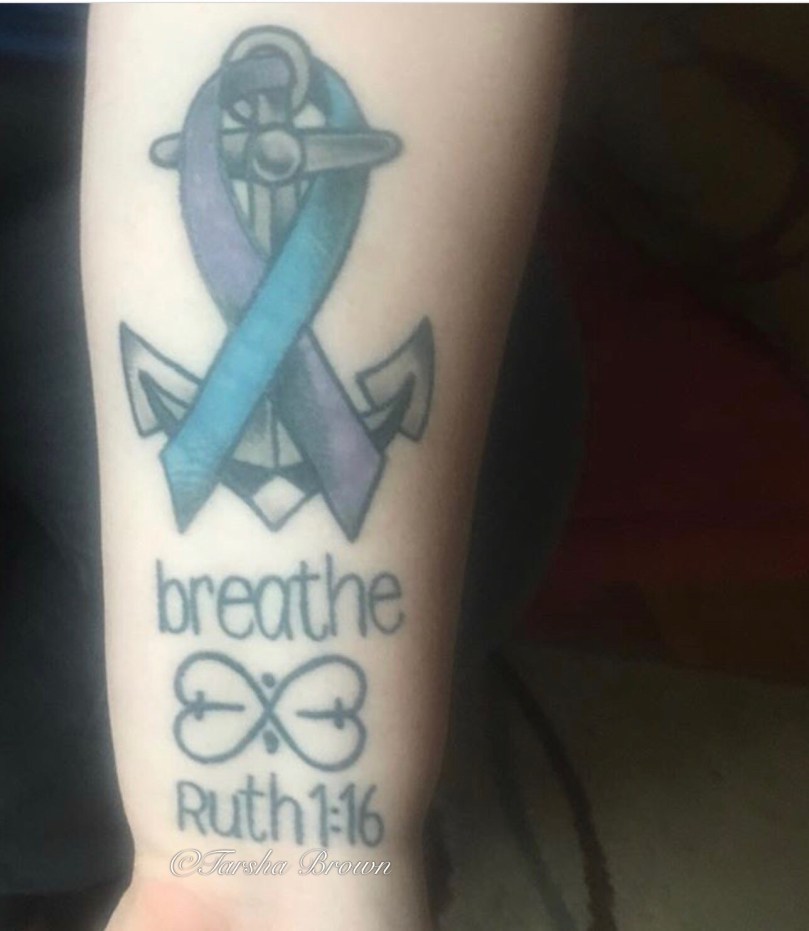
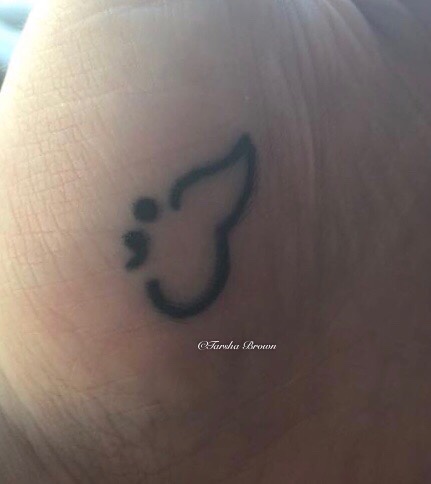
This is actually my first and second tattoo. My breathe tattoo was actually my first. I got it on my 31st Birthday. Of course breathe is for my anxiety, my semi colon for suicide, my infinity symbol and cross with Ruth 1:16 for my renewal and love of my faith. I love the fact that is my handwriting.

The second is the suicide awareness ribbon with my anchor. This was after a suicide attempt.

The most popular via Instagram reviews. The original version I found wasn’t this cool, but I have an amazing tattoo artist that made it beautiful. This is the man. If you’ve read any of my other post you know about the man. He wanted to detail the spine to show more vulnerability in the woman who is a slave to the man who controls her life.

I think neck tattoos are awesome and I also wear my hair up all the time so you can see it. This is in support to every fucked up thing that happened to me. I am a fighter and will continue fight until it wins one way or another. This was around the time I opened up about the terrible awful horrible thing that happened to me. This again is my handwriting. My cross on the T and my ; as the i is again my survival from this fucking disease
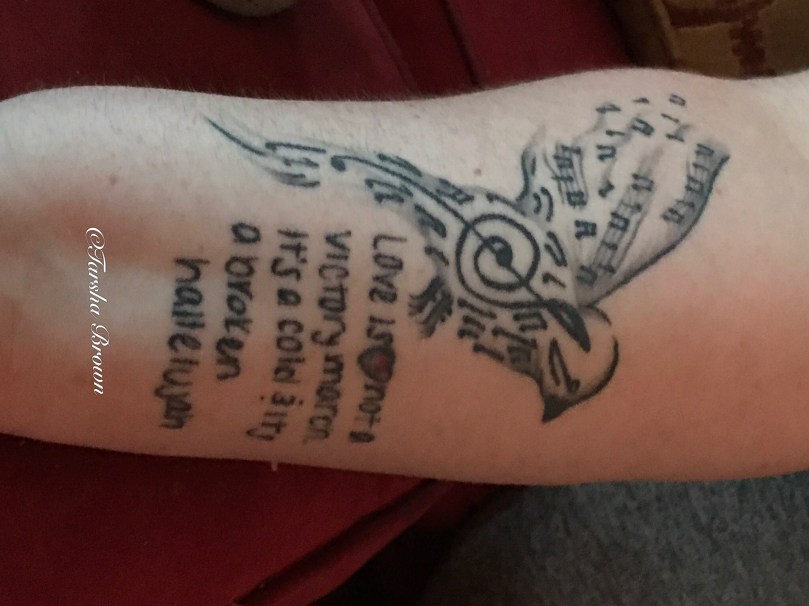
Music is my refuge which I know is the case for many people. I can play almost any instrument, make mash ups, my music list has an amazing range but I can’t sing. I wish I could sing but the sound of me screeching isn’t attractive. My mental health abilities did not bless me with the ability to sing. Hallelujah is my favorite song. I have saved between YouTube, Musi, Spotify I have so many different versions saved. This is the song I listen to when I start to spiral out of control. This tattoo is a just a base to the final half sleeve tattoo I want is finished.

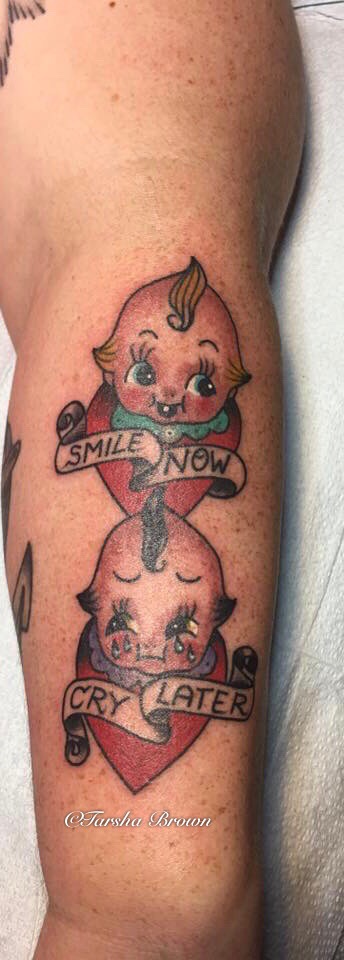
My bipolar disorder. This is Sasha (check a new post for Sasha.) When I went in I asked for the mask that is black and white with a happy/sad painted across it. He said he wanted to try something different I said okay and this is what he came up with and I love it. It was an impulsive decisions which ironically fits the tattoo. This is a more modern version of that work. I wear this with great pride.

This honestly was just to be a dick. It is a stereotypical tattoo for mental health in my opinion but the size and placement was just to prove a point. I don’t regret it while it isn’t my favorite tattoo.

My artwork is just starting and I can’t wait to express my life across my arms. It shows the fight I am trying to win.

🖤

🖤Perks of being Bipolar 🖤

As I am writing this I’m standing in an open field under gray skies small pellets of water coating my arms. The smell of fair food, musty cologne fill the air, country music blaring through blown out speakers; my daughter is currently 10 ft in the air being thrusted into circles on swings. I bet you are wondering what the hell being at a fair as to do with the perks of being bipolar and how am I tending to my daughter at the same time. Bipolar perks people. If you weren’t aware your mental illness comes with perks other people don’t possess. I don’t know the exact medical terms for these but you will get my point.

🖤 Hyper-focus- the ability to hyper focus when used correctly can produce amazing results. I’ve abused my hyper focus when I was manic or self destructive behavior but over the last year or so I’ve learned to make it useful. It is almost becoming a super power. Is it still destructive? Absolutely! I am trying to keep it as a positive trait though. Think of the population who spends millions of dollars on herbal remedies and over the counter medicine to try and give them the ability you naturally have. We of course take medicine to control it but how amazing for us.

🖤 Disturbed cognitive functioning- Neil Hilborn (yes I named dropped because his slam poem The Future is incredible.) he touches on this saying They keep telling me seeing things that aren’t technically there is called “disturbed cognitive functioning.” I call it “having a superpower.” Once, I pulled over on the 110 freeway and jumped out of my old Jeep because I saw it burst into flames twenty seconds before it actually burst into flames.

🖤 (Idk the technical term for this) self awareness- A perk of having issues with paranoia is you are always self aware. I can walk into a room or a crowd and in less than a minute I’ve evaluated the entire situation. I can tell you who is standing around me without even looking up. My daughter is in line for a ride and I’ve already analyzed the line she’s in determined where an issue may be; the creepy ass guy to the right of me checking out teenage girls that I keep check on. People in the CIA and FBI are trained to have this ability and we naturally have it. Does my paranoia cause me problems? Of course, but when it comes to my daughter my heightened sense of awareness and paranoia comes in handy. The lights and music everywhere can overwhelm my senses but that’s when hyper focus comes to the rescue.

🖤 Creativity- This is a given. A fucked up wiring makes us see the beauty in things that other people aren’t able to enjoy

🖤 Energy- Always a positive and a negative but mostly negatives because high energy usually leads to mania.

🖤 Strength- we majority of the time can handle our shit and it takes courage to keep going. It’s a blessing and a curse to have this gift.

🖤DAY 3🖤 MENTAL HEALTH WEEK- OBSESSIVE COMPULSIVE DISORDER (OCD)

Each day I will detail an illness. Some of them you’ve heard of some you haven’t but the most important thing is we recognize some of them. One illness is greater than the other just some for more information.

OCD is a neurologically based disorder characterized by recurrent, unwanted thoughts (obsessions) and/or repetitive behaviors (compulsions) that the child realizes are senseless. OCD may start at age five or six, sometimes even earlier. OCD results from a deficiency of a neurotransmitter, serotonin, in specific areas of the brain. (New research suggests that the more severe forms of the condition, in which obsessive thoughts “lock” and cannot be relieved, involve more than a neurotransmitter shortfall.) OCD is treated with an SSRI, which increases serotonin levels in the brain.

Obsessions can take many forms: repetitive words, thoughts, fears, memories, pictures. Compulsive behaviors, such as hand-washing, counting, checking, or cleaning, are performed in hope of preventing obsessive thoughts or making them go away. Obsessions and compulsions are often viewed as being unnecessary, but they can’t be stopped. Although doing these “rituals” provides only temporary relief, not doing them dramatically increases anxiety.

Counting or repeating: the need to touch something a certain number of times; the need to repeat a specific behavior or pattern of behaviors

Checking or questioning: the need to check and recheck something (e.g., whether the stove is off, the car keys are on the key rack, the closet light is off)

Arranging and organizing: the need to tie shoes or to dress or undress in a certain sequence; the need to organize toys, dolls, or other items in a certain way; becoming upset if anything is changed

Collecting or hoarding: saving books, magazines, ticket stubs, birthday cards, or other items in the belief that they are important and cannot be thrown away

Cleaning and/or washing: the need to lather and rinse an exact number of times in the shower or to brush one’s hair a certain number of times in a pattern

“Preening”: behaviors that “must be done,” even if the result is discomfort or pain. Examples are nail or cuticle biting, picking at sores or scabs, twirling or pulling hair, eye-brows, or eyelashes, “cleaning off” dry skin.

The most frequent worries in children and adolescents are about picking up germs and becoming sick or dying, or about getting sick and throwing up. Other fears include: If I don’t act/do a specific behavior: I will lose someone’s love; I will fail a test; God may punish me; a natural disaster will occur.

When most of us think of OCD, we think of that super neat freak in our lives, or the germaphobe who uses tons of hand sanitizer. But rarely do we think of someone who stands in their living room flipping a light switch on and off precisely 21 times. That last example is getting closer to some of the lesser-known symptoms of OCD.

More common forms of OCD include checking, hand washing, craving symmetry, and fearing contamination. And of course these are distressing and time-consuming aspects of the disorder. But they aren’t the whole picture. Here are a few lesser known symptoms of OCD that you may not have considered, whether you suffer with the disorder or not.

1. You’re Convinced You’ll Go Snap At Any Moment

Some OCD sufferers have a problem with impulse control, or at least they think they do. This means they live with a fear that they’ll do something unforgivable at any moment, even though they probably won’t. As Allen H. Weg said in Psychology Today, “This involves the obsession that one will act out in some way, temporarily ‘go insane’ and then just as quickly ‘snap out of it’ and then be stuck with the consequences of their actions.” People may fear they’ll steal from a store, blurt out something rude in public, or even hurt their family. In an effort to prevent anything bad from happening, sufferers will often take great pains to prevent catastrophe by staying home, or by hiding sharp objects from themselves, according to Weg.

2. You’re Sure You’ll Hit Someone With Your Car

Many OCD sufferers check things — they’ll check a dozen times that they locked a door, turned off the stove, or blew out a candle. But some sufferers have what’s known as Hit And Run OCD, or MVA (Motor Vehicle Accident) OCD. According to Weg, “Drivers obsess that maybe they hit someone without realizing it when driving, and then drive back repeatedly to check the area for bodies and/or police or ambulance activity. They will then go home and check the papers and local TV reports for stories about hit-and-run accidents.” Very distressing indeed.

3. You Have A Magical Way Of Thinking, And Rituals To Go Along With It

Most OCD symptoms involve some sort of magical thinking, but this is especially true when it comes to performing rituals. For example, you may get a certain number stuck in your head and have to do things that many times. It can be especially maddening because your ritual must be performed perfectly, or else it “won’t work.” As noted by Fred Penzel, Ph.D., on BeyondOCD.com, “… The steps of the compulsive ritual must be kept rigidly ‘pure’ and perfect, and cannot vary … Additionally, rituals must be performed while in the correct state of mind, with no interfering ‘bad’ or wayward thoughts. Because anxiety typically hampers the performance of almost anything, sufferers generally find it very difficult to get their rituals to be perfect.” Basically, if the steps are done in the wrong order, if something is forgotten, or if the person thinks of an unpleasant image during the ritual, then the magic is destroyed and the ritual must start over.

4. You Get Violent Thoughts Stuck In Your Head, Even Though They Scare You

The very nature of being obsessive is that you can’t get certain thoughts out of your head. But sometimes a different type of thought invades your mind, and it may be of a disturbing nature. These thoughts are particularly violent and gory, and even though they are distressing, the sufferer can’t get them out of their mind. According to a website dedicated to the disorder called OCDUK.org, “Because the intrusive thoughts are repetitive and not voluntarily produced, they cause the sufferer extreme distress — the very idea that they are capable of having such thoughts in the first place can be horrifying. However … people with Obsessive-Compulsive Disorder are the least likely people to actually act on the thoughts, partly because they find them so repugnant and go to great lengths to avoid them and prevent them happening.”

5. You Can’t Stop Thinking About Perverted Things, Even If You Want To

We all have a gross thought or a sexy daydream from time to time, but rarely are they unwanted. Some OCD sufferers on the other hand, have these thoughts, but they can often get out of hand. According to Monica T. Williams in Psychology Today, “Unwanted sexual thoughts are common, and most people are able to dismiss an occasional bothersome thought. However, people with OCD cannot rid themselves of unwanted thoughts, and when the content is sexual in nature, the obsessions can be especially upsetting.”

6. Sometimes You Become Obsessed With The Thought Of A Catastrophic Event

Some people with OCD will be walking down the street when suddenly they’re struck with the thought of getting hit by a car. They may be perfectly safe on the sidewalk, but the idea is still there. They then spend several upsetting moments, or even the rest of the day, ruminating about irrational worst-case outcomes, according to Ron Breazeale, Ph.D., in Psychology Today. It’s like having a scary movie playing in your head, and the main character is you.

OCD shows itself in many ways, from the typical hand washing and cleaning, to the more obscure symptoms — such as magical thinking, or fearing you’ll go insane. Either way, OCD can be downright distressing. If you think you’re suffering with the disorder, talk to your doctor about what steps to take next.

Sources:

Bustle.com

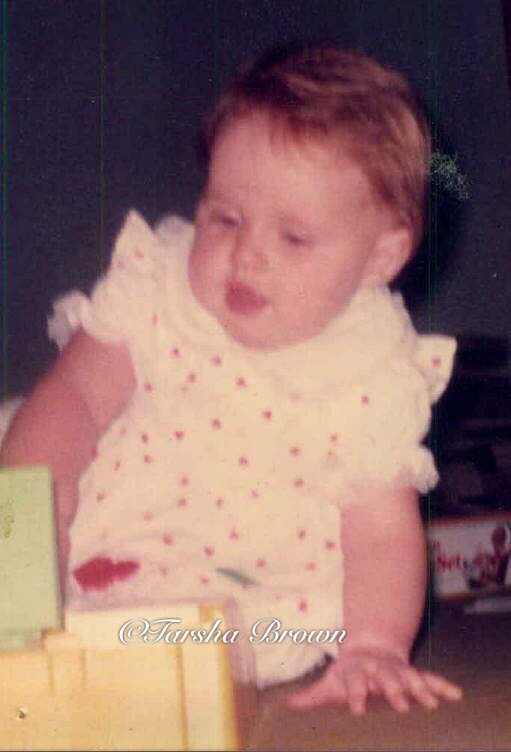
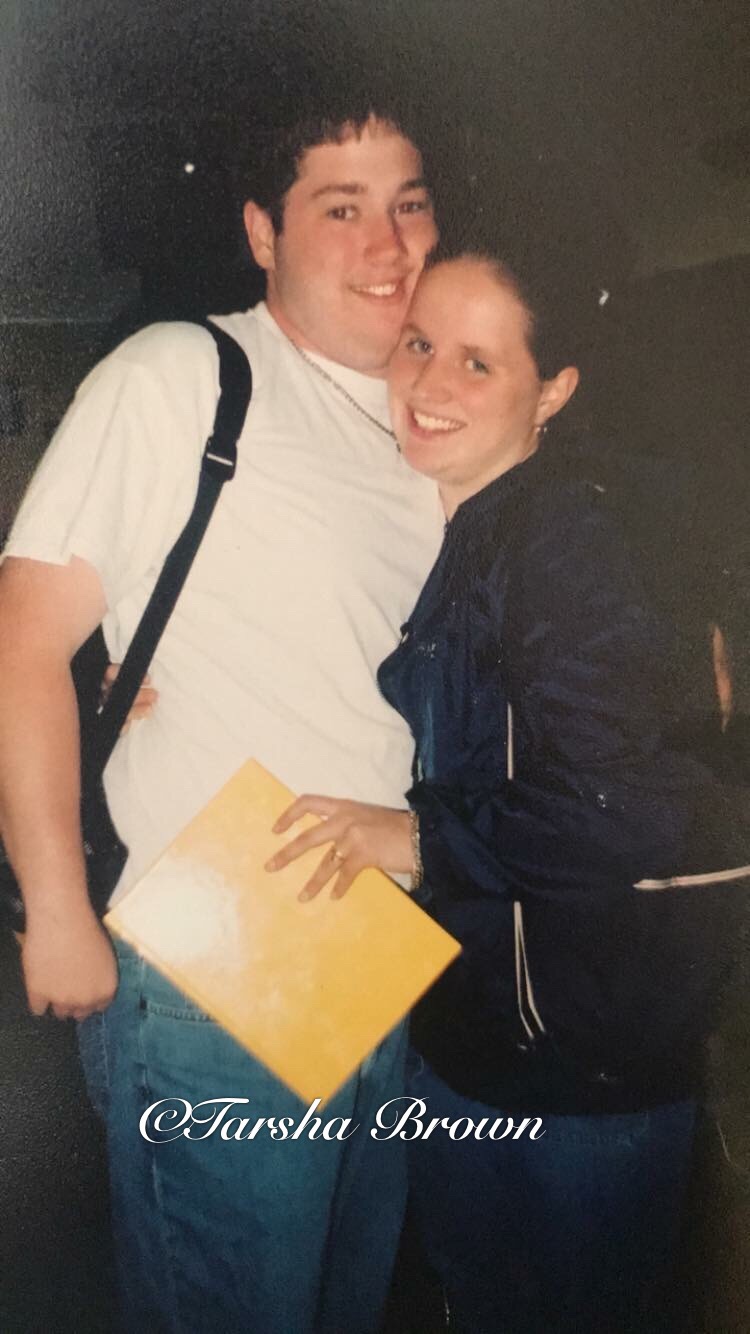
🖤Day 8🖤 Self Esteem boosters as a child. Old photos of me

I put a copyright on these pictures like you might steal them. There are two old photos of me. One when I was a year old and the other with my high school ❤️. I remember growing up I was always skinny until I hit puberty then I plumped out. I had a pair of shorts that I could fit in from the time I was 3 until I was 8. Whenever my family from out of town came in they would ask, “Do you have a boyfriend?” Or “I bet all the boys are chasing after you. You are so pretty you should be a model.” This boosted my self esteem but had the opposite affect on my sister. I can also remember the first time my mom bought me a “big girl two piece” the bikinis with the shorts and padding on the top that made your boobs look good. I was probably 12 or 13 and my sister told me I was disgusting and looked like a cow. We went on vacation places and all the boys would stare and flirt with me the same when I went to summer camp. I was one of those girls who always had a “boyfriend” at camp. I was vain growing up because I knew I was pretty until I gained weight and then that went away and my self esteem once at a peak bottomed out. I couldn’t be fat. I always associated fat with ugly. I would say things to my friends like, “big boned, muscular, or just bloating from PMS. I had “boyfriends” in high school but it was just to justify to myself that even though I was bigger that I was still pretty. I started a dangerous diet in 9th grade that my mom caught before it got worse. Now I’m 34 plus size and will tell you that I am beautiful and may mean it 53% of the time.

My daughter looks like me when I was younger except with the prettiest head of red hair. I try to explain to her that she will marry and a good person and not focus on her looks because so many people do and she is gorgeous, but I don’t want her to feel like she needs someone especially a man to validate her worth. If she does find someone I hope they are like her dad who will tell you I’m beautiful but that isn’t why he fell in love with me. He can tell you what it is about me (personality, passion etc..) as to why he loves me. Sometimes I still need validation but I know he adores me and I hope my daughter will find that with someone.

🖤

AFSP- American Foundation for Suicide Prevention- Out of the Darkness walk

This year is my 3rd year doing the AFSP walk. I work around as a survivor but I see all of these people with pins, shirts, balloons in remembrance of someone who died by suicide as early as a month before the walk. You wonder what you did differently why did you survive it, medically I should’ve died on several different occasions but I am still here fighting. I’ve walked up to random people and just hugged them, because I feel their pain. I walk every year as a proof that dammit I did it. I make promises to people that I will be able to walk and leave my mark on this world somehow even if it is just talking to you guys. You can go to AFSP website sign up for a walk in your area or volunteer our voices will make the biggest differences.